Lower Your Insurance Bills: 12 Discounts You’re Probably Missing
Most people could lower their insurance bills significantly without changing coverage at all, and the reason they don’t is simple: nobody tells you the discounts exist. Insurers don’t advertise every way to pay less. These twelve overlooked discounts are the ones agents mention only when you ask directly.
1. Bundle Multiple Policies Together
Combining auto with renters or homeowners at one company is the most famous discount for good reason. Multi-policy savings typically run 5 to 15 percent across all your policies.
The trick is verifying the bundled price against separate best-in-class policies. Usually bundling wins, but not always. Get both quotes, compare honestly, and pocket the difference either way.
2. Raise Your Deductibles Sensibly
Bumping your auto deductible from $500 to $1,000 can cut premiums 15 to 30 percent. The same move on homeowners often saves a similar chunk.
This only works if the higher number sits in your emergency fund today, not theoretically. A deductible is a promise to pay, so make sure you can keep it. Honest math here saves real money safely.

3. Ask About the Claims-Free Discount
Years without a claim should earn you something, and with most insurers it does. Claims-free discounts reward the uneventful years, often growing the longer you go.
Some insurers apply it automatically, others wait for you to ask. Mention your clean history explicitly when getting quotes. A decade without claims is a negotiating asset, so use it like one.
4. Install Security and Safety Devices
Burglar alarms, smoke detectors, deadbolts, and sprinkler systems all reduce risk, and insurers pay you back for them. Home security discounts can reach 20 percent.
On the auto side, anti-theft devices and dash cams sometimes earn smaller credits. Document every device with photos and receipts when you report them. Verified safety gear means verified savings.
5. Take a Defensive Driving Course
A few hours online and about $25 can shave 5 to 10 percent off auto premiums for three years. It’s the highest-return afternoon in personal finance.
The course must be state-approved for the discount to apply, so check the list first. Send the completion certificate to your insurer yourself rather than assuming it transfers. Small effort, lasting savings.

6. Pay Annually Instead of Monthly
Monthly billing looks convenient but hides installment fees that total $60 or more yearly. Paying the full term upfront erases those fees completely.
Many insurers add a paid-in-full discount on top, stacking savings twice. If cash flow allows, this is free money for one slightly larger payment. Run the numbers once and you’ll switch permanently.
7. Keep Your Credit in Good Shape
In most states, insurers use credit-based scores to price auto and home policies. Better credit signals responsibility, and the pricing reflects it dramatically.
Improving from poor to good credit can cut premiums by 20 percent or more. This isn’t about gaming the system, it’s about the financial habits that already help everywhere else. Good credit pays you back monthly.
8. Drive Less Than You Think
Low annual mileage means less exposure and lower rates. If you drive under 7,500 miles yearly, say so and claim the discount explicitly.
Remote workers and transit commuters often qualify without realizing it. Check your odometer against last year rather than guessing. Accurate low numbers earn accurate discounts, so measure honestly.
9. Ask About Professional and Alumni Discounts
Teachers, nurses, engineers, military members, and university alumni often qualify for affinity discounts of 5 to 10 percent. Insurers partner with hundreds of organizations.
These are rarely advertised, so list every group you belong to when quoting. Professional associations, alumni networks, even warehouse club memberships can trigger savings. Your affiliations are worth money here.

10. Review Coverage on Old Cars
Paying full coverage on a car worth $3,000 rarely makes sense. When annual full-coverage premiums approach the car’s value, it’s time to drop to liability-only.
Check your car’s actual cash value yearly against what full coverage costs. The crossover point sneaks up as cars age. Dropping unneeded coverage on old vehicles is pure savings with zero real risk.
11. Improve Your Home’s Resilience
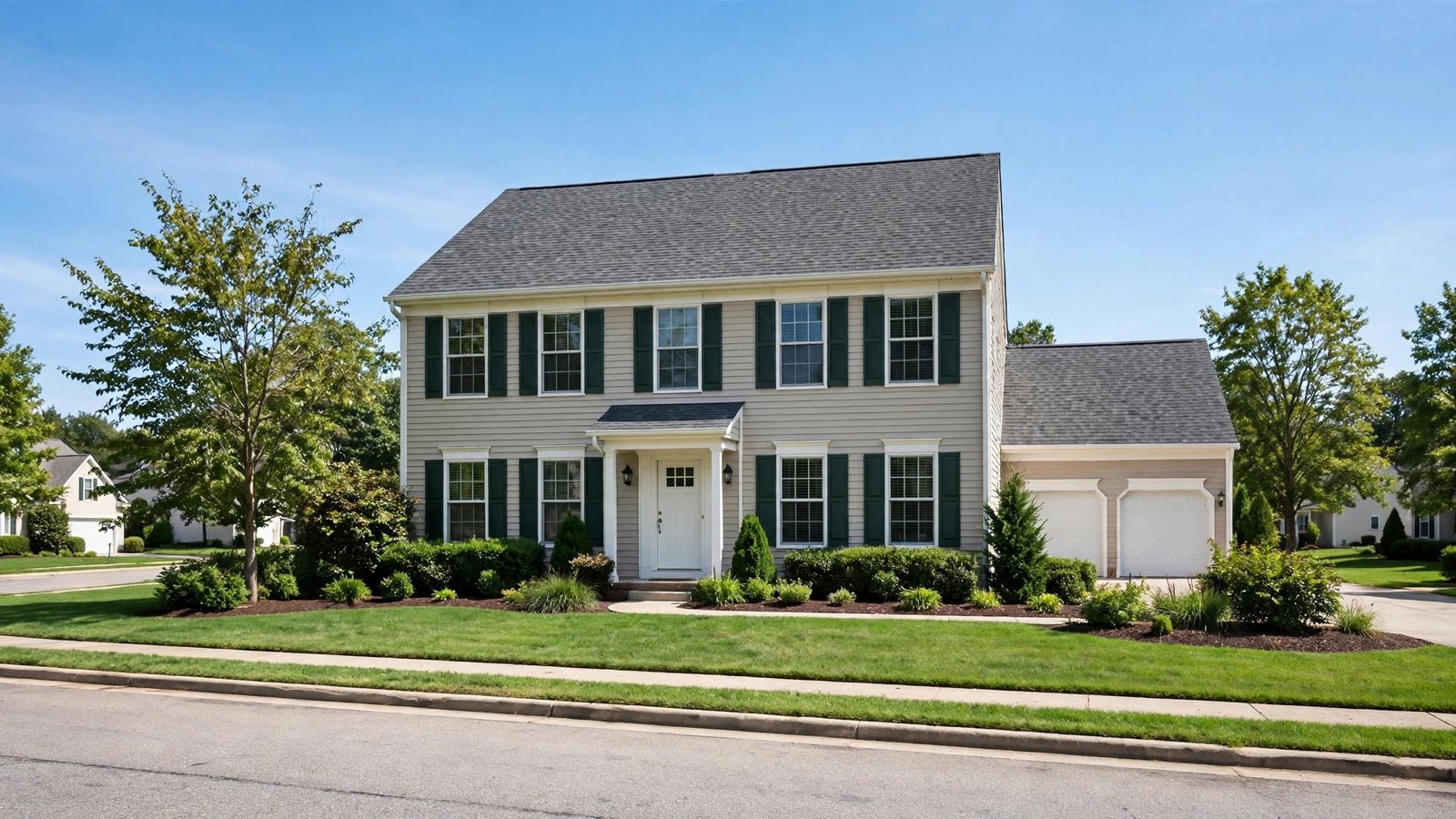
New roofs, storm shutters, and updated wiring all reduce claims risk, and insurers discount for each. A new roof alone can cut homeowners premiums 10 to 20 percent.
Report upgrades promptly with contractor documentation. Some insurers even offer wind mitigation inspections that uncover credits you didn’t know existed. Every improvement should trigger a call to your agent.
12. Re-Shop Your Rates Every Year
The biggest discount of all is leaving an insurer that’s quietly raising your rates. Annual shopping routinely finds 10 to 30 percent savings for identical coverage.
Insurers practice price optimization, raising rates on customers who never check. Break the cycle with one hour of quotes before each renewal. Loyalty without shopping is just overpaying politely.
FAQs
What’s the easiest way to lower my insurance bills fast?
Raise deductibles to what your emergency fund covers and bundle policies with one insurer. Those two moves alone often cut 20 percent combined. Then re-shop annually, because no single discount beats leaving an overpriced insurer.
Do insurance discounts really make a big difference?
Absolutely. Stacking bundling, higher deductibles, paid-in-full, and defensive driving can cut auto premiums nearly in half. Each discount looks small alone, but combined they’re transformative. Always ask agents to list every discount you might qualify for.
Will my discounts disappear if I switch insurers?
Some transfer, some don’t. Claims-free history and safety device credits usually carry over, while loyalty and tenure discounts restart at zero. Ask the new insurer to map every current discount to their equivalents before you commit to switching.
How often should I ask about new discounts?
At every renewal, and after any life change: new car, home upgrades, marriage, good grades, retirement. Insurers add new discount programs regularly without notifying existing customers. A yearly five-minute call asking “what am I missing” pays for itself.
Can I negotiate my insurance premium directly?
Not the base rate, but you can negotiate everything around it: which discounts apply, deductible levels, coverage limits, and payment plans. Independent agents will also shop multiple carriers to find your best fit. The price isn’t fixed until you stop asking questions.
Conclusion
To lower your insurance bills, you don’t need worse coverage, just better awareness. Stack these discounts, re-shop yearly, and keep the savings. Which discount are you claiming first?