Homeowners Insurance Terms Explained: 12 Basics for Beginners
Homeowners insurance reads like it was written by lawyers for other lawyers, and that’s a problem when it’s protecting your biggest asset. Buried in the jargon are a dozen terms that decide what gets paid and what doesn’t when disaster strikes. Learn these twelve basics once and you’ll read any policy with confidence.
1. Premium: What You Pay
The premium is simply your price for the policy, usually billed monthly or annually. It reflects your home’s value, location, claims history, and the coverage limits you choose.
Paying annually often shaves off installment fees that monthly billing quietly adds. Think of the premium as a subscription to financial protection. Skip payments and the protection stops, exactly when you might need it most.
2. Deductible: What You Pay First
The deductible is the amount you cover out of pocket before insurance pays a dime. A $1,000 deductible on a $20,000 roof repair means you pay $1,000 and the insurer handles the rest.
Higher deductibles lower your premium, which tempts a lot of buyers. Only raise it to an amount sitting in your emergency fund right now. A deductible you can’t afford turns a crisis into a catastrophe.
3. Dwelling Coverage (Coverage A)
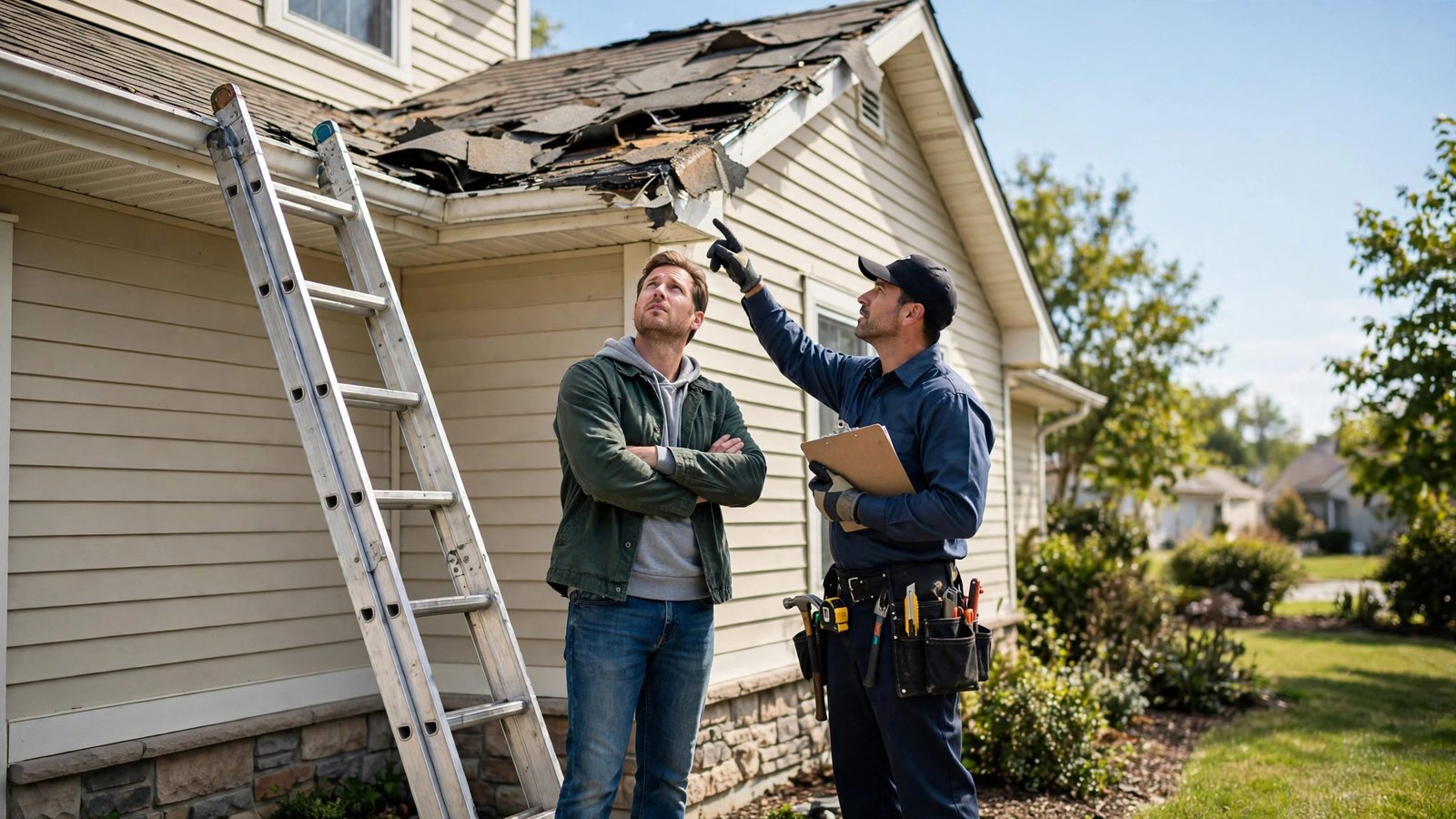
This is the heart of your homeowners insurance policy. It covers the physical structure of your house: walls, roof, floors, and built-in systems like plumbing and wiring.
The limit should reflect rebuilding cost, not market value or purchase price. Construction costs differ wildly from what you paid for the house. Get the rebuild estimate right and everything else builds on solid ground.
4. Other Structures (Coverage B)
Detached garage, shed, fence, guest house: anything on your property that isn’t attached to the main home falls here. Coverage is usually set at 10 percent of your dwelling limit automatically.
That default might not cover your fancy workshop or pool house. If you’ve got significant outbuildings, ask your agent whether the automatic 10 percent is enough. Upgrading this limit is usually cheap.
5. Personal Property (Coverage C)
Everything you own inside the home lives under this coverage: furniture, clothes, electronics, kitchen gear. Standard policies set it around 50 to 70 percent of the dwelling limit.
Take a video walkthrough of your home once a year and store it in the cloud. When you file a claim at the worst moment of your life, that video becomes your memory. Insurers pay documented losses, not vague recollections.

6. Loss of Use (Coverage D)
When a covered disaster makes your home unlivable, this pays your extra living expenses. Hotel bills, restaurant meals above normal grocery costs, even pet boarding in many policies.
Limits are often 20 percent of dwelling coverage, which sounds generous until a rebuild takes eight months. Keep every single receipt from day one. Documented expenses get reimbursed; estimates from memory get argued.
7. Personal Liability (Coverage E)
Someone gets hurt on your property and decides you’re responsible. This coverage pays legal judgments and your defense costs, typically starting at $100,000.
Liability is the most undervalued part of the policy because nobody imagines getting sued. Dog bites, icy steps, a trampoline accident: ordinary life creates real lawsuits. Consider raising this limit; it’s surprisingly affordable.
8. Medical Payments (Coverage F)
Separate from liability, this covers minor guest injuries regardless of fault, usually $1,000 to $5,000. A visitor trips on your porch step and needs stitches.
It pays quickly without anyone proving negligence, which keeps small incidents from becoming big disputes. Think of it as goodwill coverage. Fast payment now often prevents an angry lawsuit later.

9. Replacement Cost vs. Actual Cash Value
This single distinction can change your payout by tens of thousands. Actual cash value pays what your ten-year-old roof is worth today, depreciated and tired.
Replacement cost pays what a brand-new equivalent costs, no depreciation subtracted. Always choose replacement cost for both dwelling and belongings if offered. The premium difference is small; the claim difference is enormous.
10. Exclusions: What’s Never Covered
Every policy lists disasters it won’t touch, and floods and earthquakes top nearly every list. Wear and tear, neglect, and intentional damage are also universally excluded.
Read the exclusions section before you buy, not after the basement floods. If you live near water or on a fault line, you need separate policies for those risks. Assuming coverage is the most expensive mistake in insurance.
11. Endorsements: Custom Add-Ons
Endorsements, also called riders, modify your base policy to cover specific gaps. Scheduled jewelry coverage, sewer backup protection, and home business equipment are common examples.
That engagement ring probably exceeds your policy’s default jewelry sublimit of $1,500. A scheduled personal property endorsement covers its full appraised value for a few dollars a month. Audit your valuables against default sublimits yearly.

12. Declarations Page: Your Cheat Sheet
The declarations page is the summary stapled to the front of your policy. It lists your coverages, limits, deductibles, premium, and named insureds in plain-ish language on one or two pages.
Read this page every renewal and actually understand each line. If a limit looks wrong or a name is misspelled, fix it before you need the policy. This single page is what adjusters read first when you file a claim.
FAQs
How much does homeowners insurance cost on average?
Around $1,700 to $2,000 per year nationally, though coastal and disaster-prone areas run far higher. Your rate depends on rebuild cost, location risk, deductible, and claims history. Shopping three insurers routinely saves hundreds for identical coverage.
Is homeowners insurance legally required?
No law mandates it, but your mortgage lender absolutely will. They require coverage at least equal to the loan balance to protect their investment. Once the mortgage is paid off, it’s technically optional, though going without is a gamble few financial advisors endorse.
What’s the difference between actual cash value and replacement cost?
Actual cash value subtracts depreciation, so your old roof is worth little. Replacement cost pays for a new equivalent with no depreciation deduction. Replacement cost coverage costs slightly more in premiums but pays dramatically more at claim time. Choose it whenever available.
Does homeowners insurance cover flood damage?
Standard policies exclude floods entirely, which surprises devastated homeowners every hurricane season. You need separate flood insurance, available through the national program or private insurers. If you’re anywhere near water, get a quote before storm season, not during it.
How can I lower my homeowners insurance premium?
Raise your deductible to an affordable level, bundle with auto insurance, install security systems and storm shutters, and re-shop every few years. Ask about every available discount, from new-roof credits to claims-free rewards. A single phone call often finds savings.
Conclusion
Homeowners insurance stops being intimidating once you speak its language, and now you do. Review your declarations page this week, fix any gaps you spot, and sleep better tonight. Which term surprised you most?