Renters Insurance Explained: 10 Things It Actually Covers
Renters insurance is the policy almost everyone skips and almost everyone ends up wishing they had. It costs less per month than two fancy coffees, yet it protects everything you own from the disasters you never see coming. Most tenants have no idea how much coverage they’re leaving on the table. Let’s fix that in the next few minutes.
1. Theft and Burglary Protection
Someone breaks into your apartment and walks out with your laptop, TV, and that camera you saved up for. Without renters insurance, you’re starting over from zero with your own money.
With it, you file a claim and get reimbursed for stolen belongings up to your policy limit. Take photos of your valuables today and store them in the cloud. That five-minute habit makes claims dramatically smoother later.
2. Fire and Smoke Damage
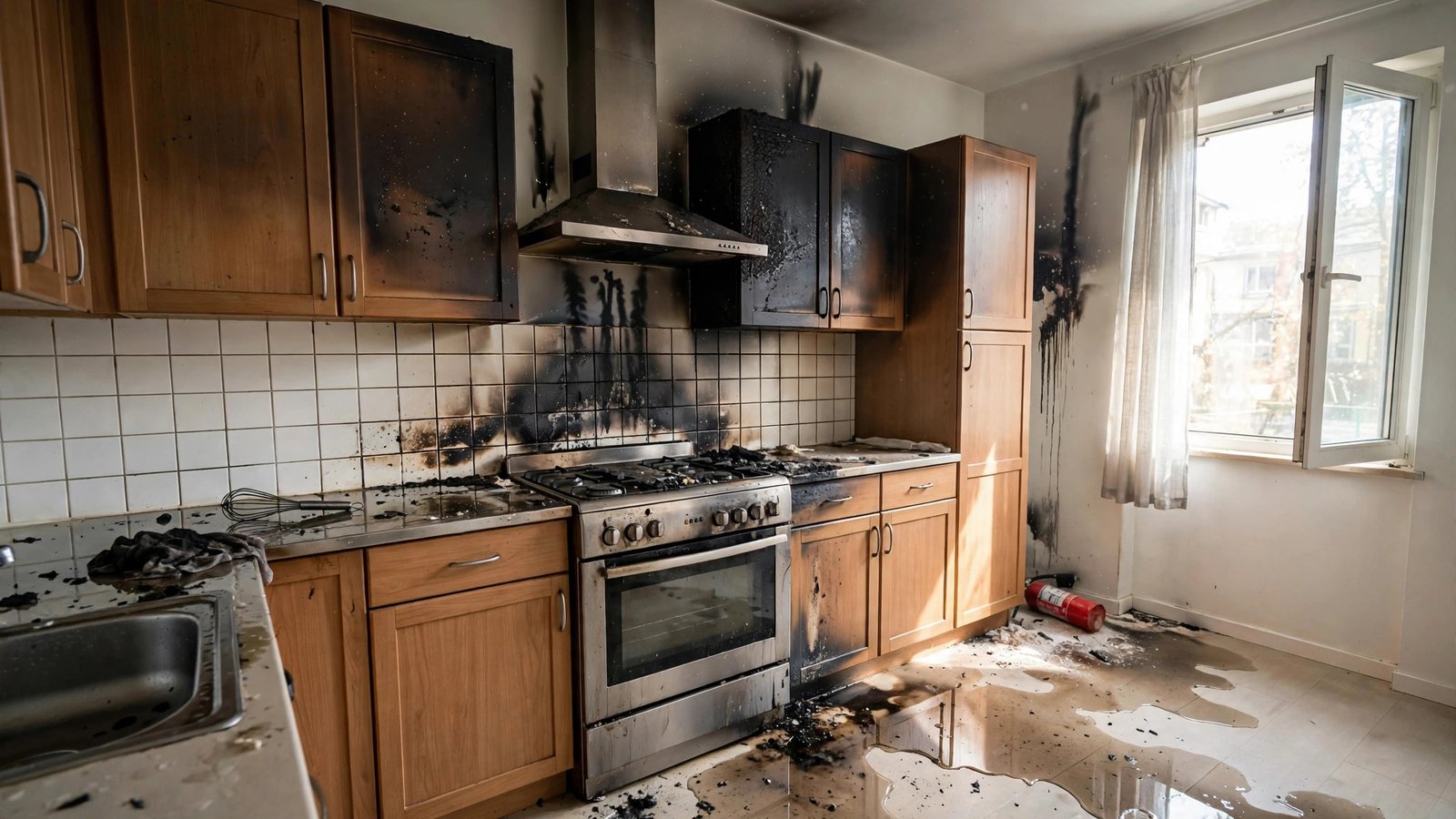
A kitchen fire doesn’t have to start in your unit to ruin your stuff. Smoke from a neighbor’s blaze seeps through walls and vents, coating everything you own in a smell that never quite washes out.
Renters insurance covers cleaning, repairs, and replacement of smoke-damaged belongings. It also covers fire damage to your own things even if you accidentally started it. Nobody plans a grease fire, which is exactly the point.
3. Water Damage from Burst Pipes
Pipes burst, washing machines overflow, and upstairs neighbors forget they left the tub running. Water finds your couch, your rug, and your bookshelf with ruthless efficiency.
Your policy covers belongings damaged by sudden plumbing mishaps like these. Note the word sudden: slow leaks you’ve ignored for months usually don’t count. Report water issues to your landlord fast, then document everything with photos.
4. Vandalism Coverage
Somebody keys the hallway, smashes a window, or spray-paints the building lobby, and your bike parked inside gets trashed in the process. Vandalism feels personal even when it isn’t aimed at you.
Renters insurance treats vandalism like any other covered peril for your belongings. File a police report first, since insurers want that paper trail. Then claim the damaged items and let the policy do its job.
5. Wind and Hail Damage
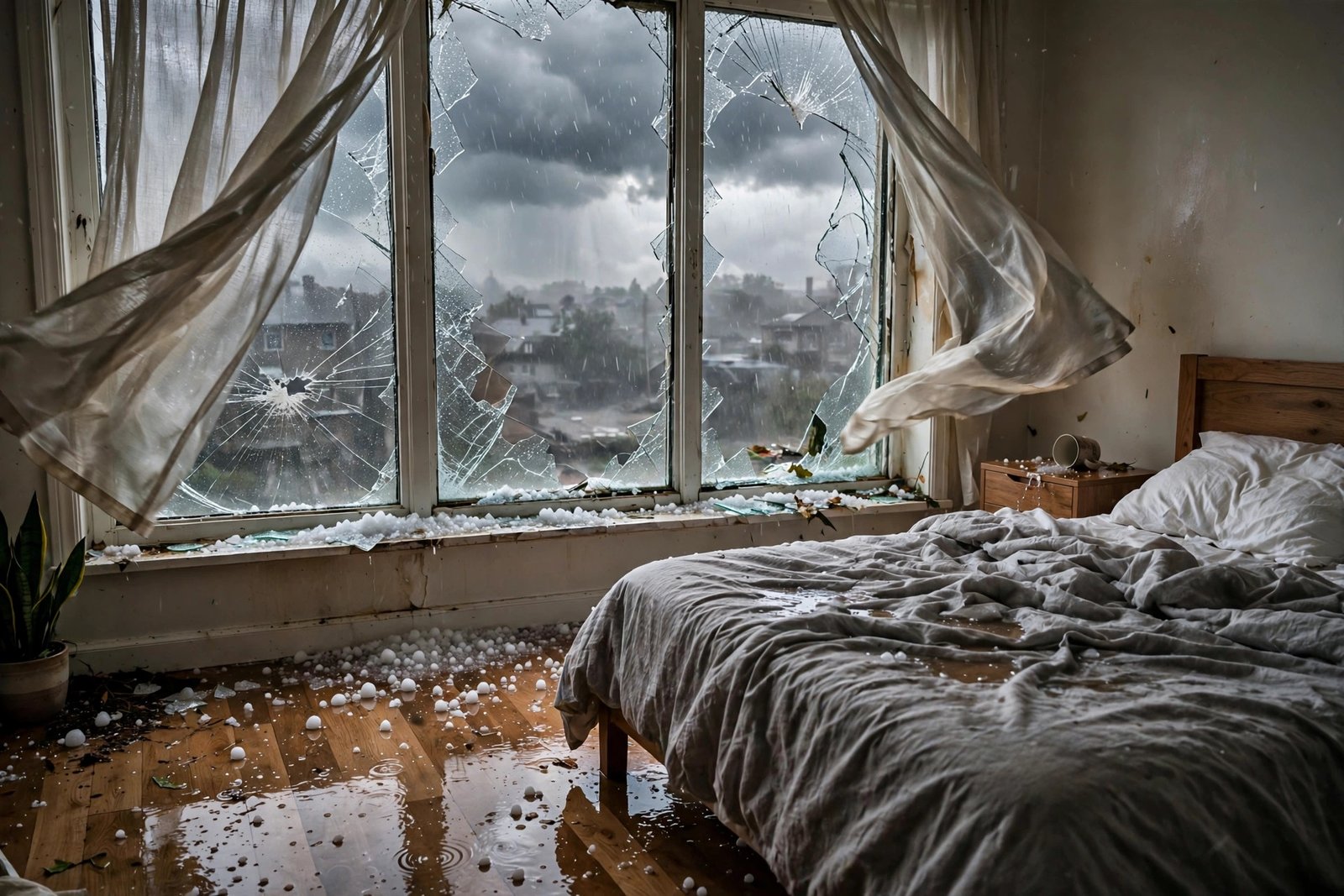
Storms don’t care that you rent. A hailstorm shatters your windows and soaks your furniture, or high winds send a branch through the balcony door you always meant to lock properly.
Standard policies cover wind and hail damage to your personal property inside the unit. The building itself is your landlord’s problem and their insurance. Yours handles everything you brought with you when you moved in.
6. Liability If a Guest Gets Hurt
Your friend trips over the rug, breaks a wrist, and suddenly you’re facing medical bills and maybe a lawyer. It happens in ordinary apartments every single day.
Liability coverage, usually $100,000 minimum, pays for injuries you’re legally responsible for plus your legal defense. This is the most underrated part of the policy. Your stuff is replaceable, but a lawsuit can follow you for years.
7. Medical Payments for Injured Guests
Separate from liability, most policies include a smaller medical payments pot, often $1,000 to $5,000. It covers a guest’s minor injuries regardless of who’s at fault.
Your visitor twists an ankle on your stairs and needs an urgent care visit. This coverage pays it quickly without anyone proving negligence. Fast, quiet, and it keeps friendships intact after awkward accidents.
8. Hotel Costs After a Disaster
A fire guts the building and the Red Cross puts you up for two nights, but then what? This is where loss of use coverage earns its keep in a very real way.
Your policy pays for a hotel, meals above your normal grocery spending, and other extra living costs while your place is uninhabitable. Keep every receipt from day one. Insurers reimburse documented expenses, not estimates you reconstruct from memory.

9. Your Belongings Stolen Away from Home
Here’s the coverage surprise most people miss: your policy follows your stuff. Laptop stolen from your car, bike taken from a rack downtown, luggage lost on a trip.
Personal property coverage typically extends worldwide, usually at a slightly lower limit than at home. Traveling light suddenly feels less risky. Just remember the deductible still applies, so tiny claims aren’t worth filing.
10. How Renters Insurance Values Your Belongings
Not all payouts are equal, and this detail decides whether your claim actually makes you whole. Actual cash value pays what your five-year-old couch is worth today, which is basically nothing.
Replacement cost coverage pays what a new equivalent couch costs, and the price difference between the two options is small. Always choose replacement cost when you buy the policy. Your future self, standing in a ruined living room, will be grateful.

FAQs
How much does renters insurance cost per month?
Most policies run $15 to $30 a month, depending on your city, coverage limits, and deductible. That’s less than a single takeout dinner. Bundling it with your car insurance often drops the price further, so always ask about the multi-policy discount.
Does renters insurance cover my roommate’s belongings?
No, and this trips up a lot of people. Your policy covers only your own belongings and your own liability. Your roommate needs their own separate policy. One shared policy can’t list two unrelated people as the insured, so don’t try to split it.
Does renters insurance cover flood damage?
Standard policies exclude floods, along with earthquakes in most states. If you live near water or in a flood zone, you need separate flood insurance through the national program or a private insurer. Ask your agent directly, because assuming you’re covered is how people lose everything.
Can my landlord require me to have renters insurance?
Yes, and many do. Landlords can legally require it in the lease, mainly because your liability coverage protects them too. Even when it’s optional, the math is overwhelmingly in favor of buying it. Fifteen dollars a month buys a lot of peace of mind.
How do I file a renters insurance claim?
Document the damage with photos, file a police report if theft or vandalism is involved, then call your insurer or file online. An adjuster reviews everything and issues payment minus your deductible. The whole process typically takes one to three weeks for straightforward claims.
Conclusion
Renters insurance is the cheapest financial safety net you’ll ever buy, and now you know exactly what it does. Get a few quotes tonight, pick replacement cost coverage, and photograph your valuables this weekend. What’s stopping you?