Does Home Insurance Cover Natural Disasters? 12 Must-Know Facts
Home insurance natural disasters coverage is the most misunderstood part of any homeowners policy. People assume they’re protected against nature’s worst, then discover the exclusions after the water recedes. These twelve must-know facts draw the exact line between what’s covered and what isn’t.
1. Standard Policies Cover Many Disasters
Here’s the good news first: standard homeowners policies cover a long list of natural perils. Fire, lightning, windstorms, hail, volcanic eruption, and falling objects are all typically included.
A tornado tearing off your roof or hail shredding your siding falls squarely under dwelling coverage. Most Americans face these risks, not exotic ones, so the base policy does real work. Know what’s already yours before buying more.
2. Floods Are Always Excluded
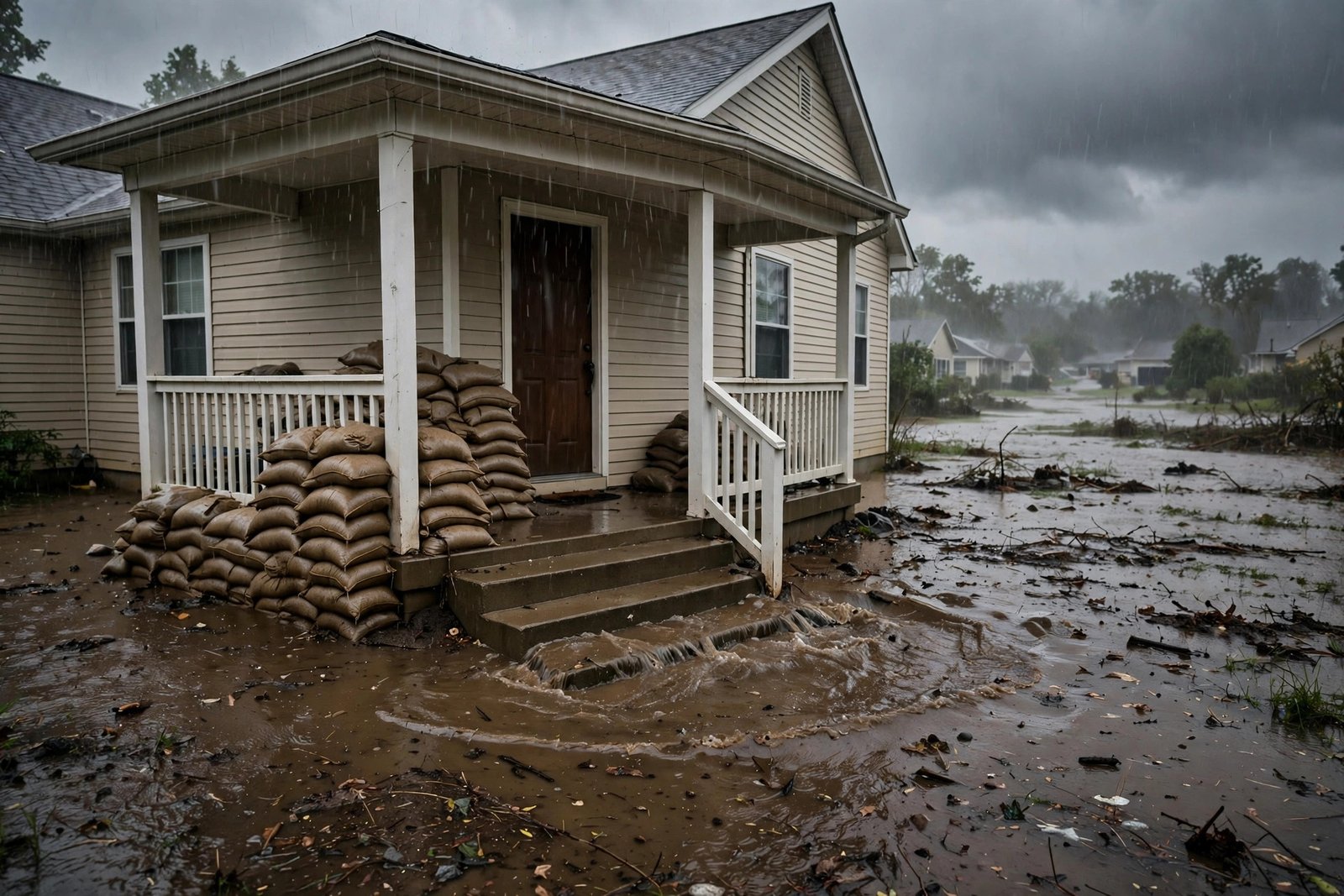
Every standard homeowners policy excludes flood damage, without exception. It doesn’t matter if the water came from a river, a storm surge, or ten inches of rain in an hour.
You need separate flood insurance through the national program or private insurers. There’s typically a 30-day waiting period, so you can’t buy it as the storm approaches. If water can reach your home, this policy is mandatory in practice.
3. Earthquakes Are Always Excluded Too
Like floods, earthquakes and earth movement are excluded from standard policies everywhere. This surprises homeowners far from famous fault lines who assume they’re safe.
Earthquake endorsements or standalone policies are available in every state, and they’re cheap where risk is low. If you live anywhere near a fault zone, price one today. The ground doesn’t negotiate.
4. Hurricanes Get Special Treatment
Wind damage from hurricanes is covered, but with a catch: hurricane deductibles. In coastal states, these run 1 to 5 percent of your dwelling limit instead of a flat dollar amount.
On a $400,000 home, a 2 percent hurricane deductible means $8,000 out of pocket before coverage starts. Know your hurricane deductible number specifically, because it dwarfs your regular deductible. Coastal buyers must budget for it.
5. Wildfires Are Covered, Usually
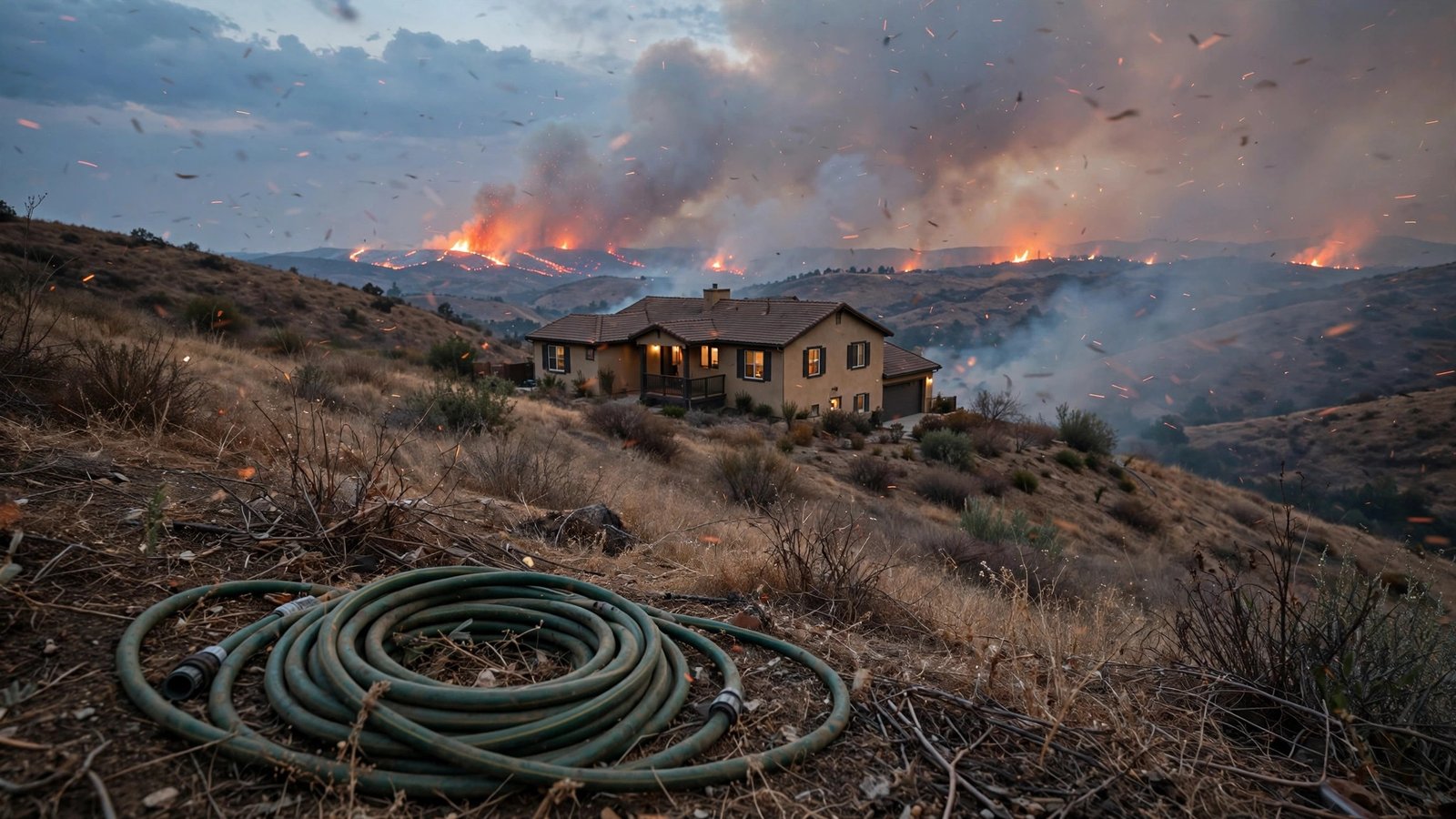
Standard policies cover wildfire damage to your home and belongings, which matters enormously in fire-prone states. The flames, the smoke, the ruined landscaping: all covered perils.
The catch is availability, as insurers increasingly decline to renew in high-risk wildfire zones. If you’re in fire country, maintain defensible space and document mitigation efforts. Keeping your policy may depend on it.
6. Winter Storms Count as Covered
Blizzards, ice dams, frozen pipes, and roof collapse under snow weight are all standard covered perils. Winter is destructive, but your policy was built for it.
Neglect exclusions still apply: a pipe that burst because you left for vacation with the heat off may be denied. Maintain your home reasonably through winter and document it. Covered perils plus reasonable care equals paid claims.
7. Mudslides vs. Mudflow: Words Matter
Here’s where language gets tricky. Mudflow, a river of mud, is considered flooding and excluded. Mudslide, earth movement, is also excluded but under the earth movement clause.
Either way, standard policies won’t pay, which frustrates homeowners who see no meaningful difference. The distinction matters only for which separate policy might cover it. When in doubt, assume you need extra coverage.
8. Sewer Backup Needs an Endorsement
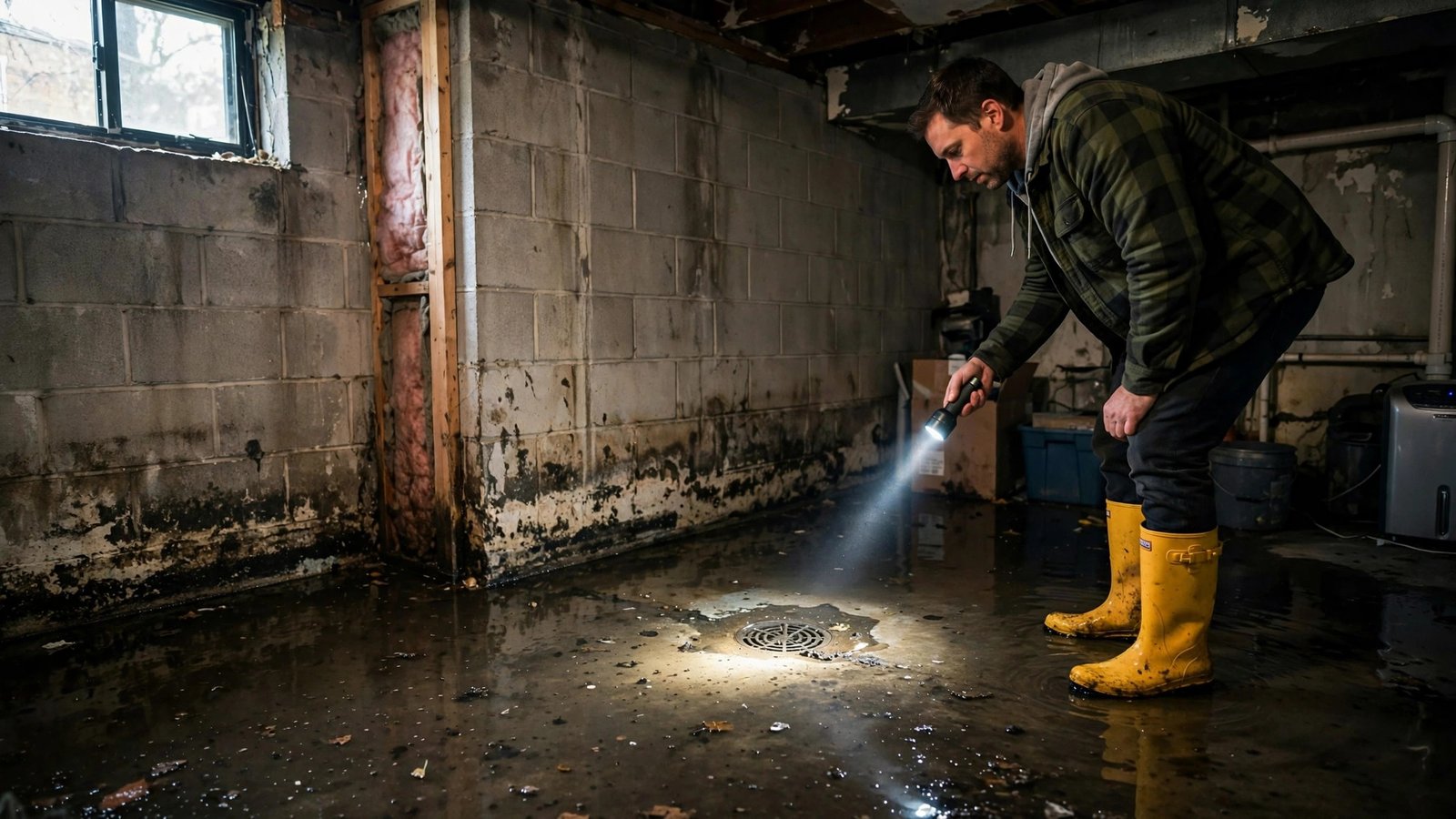
Heavy rains overwhelm municipal sewers and send wastewater into basements, a disaster that’s neither flood nor plumbing failure in policy language. Standard policies exclude it.
A sewer backup endorsement costs a few dollars a month and covers tens of thousands in cleanup. Anyone with a basement or ground-floor unit should carry it. This is the cheapest disaster coverage you’ll ever buy.
9. Detached Structures Have Limits
Your garage, shed, and fence are covered under Other Structures, usually at 10 percent of dwelling coverage automatically. Disasters don’t distinguish between attached and detached, but your limits do.
After a tornado levels both house and detached garage, that 10 percent may fall short. Review whether your outbuildings warrant higher limits, especially workshops or guest houses. Disasters take everything; make sure everything is covered.
10. Additional Living Expenses Save You
When disaster makes your home unlivable, Loss of Use coverage pays for hotels, meals, and temporary housing. After a major natural disaster, displacement can last months.
Limits around 20 percent of dwelling coverage sound generous until a rebuild takes a year. Keep every receipt from the first night. In catastrophe zones, this coverage is as vital as the dwelling coverage itself.
11. Documentation Decides Everything
After a disaster, insurers pay for what you can prove, not what you remember. A pre-disaster video inventory of your home is the single most valuable claims document.
Store it in the cloud, update it yearly, and photograph damage before any cleanup. In chaotic disaster aftermaths, the organized claimant gets paid faster and more fully. Your phone camera is a financial instrument.

12. Buy Extra Coverage Before You Need It
Flood policies have 30-day waits, earthquake endorsements can’t be added mid-tremor, and insurers stop writing policies when disasters loom. Every disaster coverage has a timing trap.
Audit your natural disaster exposure this month: flood maps, fault lines, wildfire zones, hurricane coasts. Buy the extra policies now, during calm weather. Disaster insurance purchased during the disaster doesn’t exist.
FAQs
Does home insurance cover all natural disasters?
No. Standard policies cover fire, wind, hail, lightning, and winter storms, but always exclude floods and earthquakes. Hurricanes are covered with special high deductibles. Knowing exactly where the line falls is the entire point of reading your policy.
Why are floods and earthquakes always excluded?
Because they’re catastrophic and correlated: when they hit, they hit thousands of homes at once, which would bankrupt standard risk pools. Governments and specialty insurers handle these risks separately. The exclusion isn’t personal, it’s mathematical, but you still need the separate coverage.
How do I know if I need flood insurance?
Check FEMA flood maps for your address, but remember that a quarter of flood claims come from outside high-risk zones. If heavy rains could ever reach your home, get a quote. With 30-day waiting periods, the time to buy is during dry weather, not storm season.
What does hurricane insurance actually cost?
There’s no separate hurricane policy; it’s part of homeowners with a special hurricane deductible of 1 to 5 percent of dwelling value. In high-risk coastal areas, total premiums run much higher than inland. Mitigation features like storm shutters earn meaningful discounts.
Can I get coverage after a disaster is forecast?
Almost never. Insurers impose binding restrictions when storms approach, and flood policies carry 30-day waits precisely to prevent last-minute buying. This is why proactive purchasing matters. The coverage you need during the disaster must be bought during the calm.
Conclusion
Home insurance natural disasters coverage is generous for some perils and brutally absent for others. Audit your risks, fill the gaps now, and document everything. What’s your area’s biggest uncovered risk?