Car Insurance for First-Time Drivers: 12 Money-Saving Tips
Car insurance for first-time drivers feels like a punishment for being young, and the quotes prove it. Insurers see an empty driving record and charge accordingly, sometimes more than the car payment itself. But here’s what they don’t advertise: new drivers leave hundreds of dollars on the table every year through discounts they never claim. These twelve tips change that.
1. Compare at Least Five Quotes Before Buying
The single biggest mistake new drivers make is buying the first policy they’re offered. Prices for identical coverage swing wildly between insurers, and the gap is widest for young drivers with no history.
Spend one evening on comparison sites and collect at least five real quotes with matching coverage levels. You’ll often find a 40 percent spread between the cheapest and priciest. That one evening of work pays you back every single month.
2. Start on a Parent’s Policy If You Can
Joining a parent’s existing policy is almost always cheaper than buying your own. Insurers reward the multi-car, multi-driver setup with discounts that solo young drivers simply can’t access alone.
The parent’s good record and bundling discounts pull your rate down substantially. Just make sure everyone understands who’s paying what, because missed payments hurt the whole policy. Have that awkward money talk before you sign anything.

3. Take a Defensive Driving Course
A state-approved defensive driving course costs around $25 and takes a few hours online. Many insurers knock 5 to 10 percent off your premium for completing one, which pays for itself within months.
You also pick up genuinely useful skills, like proper following distance and hazard scanning, that make you safer behind the wheel. Check your state’s approved course list first, since insurers only honor certified programs.
4. Raise Your Deductible to Lower Your Premium
The deductible is what you pay out of pocket before insurance kicks in. Bumping it from $500 to $1,000 can slash your premium by 15 to 30 percent overnight.
This only works if you actually have that $1,000 sitting in savings for a bad day. Don’t raise the deductible to a number you can’t cover, because then you’re just trading one problem for another. Be honest about your emergency fund.
5. Drive Something Boring and Safe
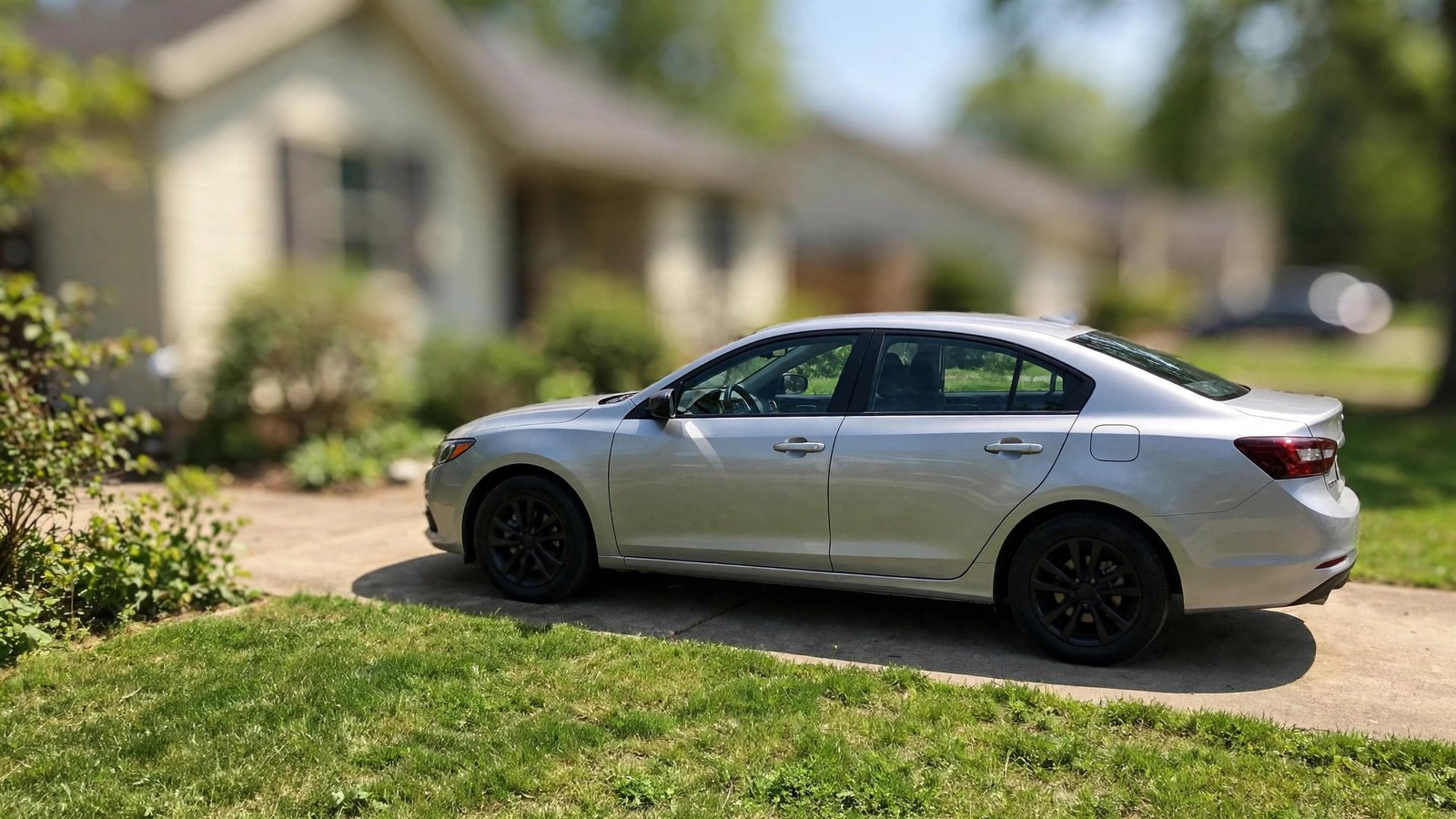
That sporty coupe screams fun and also screams expensive to insure. Insurers price policies partly on the car’s claims history, and flashy cars get stolen and crashed more often.
A dull sedan with strong safety ratings and cheap repair costs is an insurer’s favorite. Before buying any car, run its VIN through a free insurance quote tool. The difference between two similar cars can be hundreds per year.
6. Claim the Good Student Discount
Still in school with a B average or better? Most major insurers offer a good student discount worth 10 to 25 percent, and it’s one of the easiest discounts in the industry to get.
You usually just send a report card or transcript once a year. The logic is simple: responsible students file fewer claims. If your grades qualify, this is free money you’re leaving behind by not asking.
7. Try Usage-Based Insurance Programs
Many insurers now offer programs that track your driving through a phone app or plug-in device. Drive gently, avoid late nights, and watch your premium drop by up to 30 percent.
This rewards exactly the habits new drivers should build anyway: smooth braking, reasonable speeds, daytime driving. The tradeoff is privacy, since you’re sharing location data. For budget-strapped beginners, the savings usually win.
8. Pay Your Premium in Full Instead of Monthly
Monthly payments feel easier, but insurers quietly charge installment fees that add up to $60 or more per year. Paying the full six-month premium upfront dodges those fees entirely.
Some companies add an extra paid-in-full discount on top, stacking the savings further. If you can swing it from savings, do the math once and you’ll never pay monthly again. It stings once and saves all year.
9. Keep Your Annual Mileage Low
Insurers ask how far you drive because more miles mean more crash exposure. If you genuinely drive under 7,500 miles a year, say so and claim the low-mileage discount.
Remote workers, students on campus, and city dwellers with transit passes often qualify without realizing it. Don’t guess your mileage either; check your odometer against last year’s number. Honest low numbers get honest discounts.
10. Never Let Your Coverage Lapse
Skipping insurance for even a month to save money backfires spectacularly. Insurers treat any gap in coverage as a giant red flag and price your next policy accordingly.
Continuous coverage is one of the quietest rating factors, and a lapse can haunt your premiums for years. Even between cars, keep a cheap non-owner policy active. The uninterrupted history is worth more than the short-term savings.
11. Bundle with Renters Insurance
Already renting? Adding a renters policy from the same company typically unlocks a multi-policy discount of 5 to 15 percent on your car insurance. The renters policy itself often costs less than $20 a month.
You end up with two policies for barely more than the price of one, plus your belongings get covered as a bonus. Ask every insurer you quote about bundling. It’s the rare win-win the industry actually offers.

12. Re-Shop Your Car Insurance for First-Time Drivers Policy Every Year
Loyalty means nothing to insurance companies. They count on you auto-renewing while they quietly raise your rate, a practice the industry politely calls price optimization.
Set a calendar reminder two weeks before renewal and get fresh quotes like it’s your first time buying. Your record improves each clean year, and competitors want your business. Switching takes twenty minutes and routinely saves hundreds.
FAQs
How much does car insurance cost for a first-time driver?
Expect $200 to $400 per month for full coverage as a teen or early-twenties driver with no record, though rates vary hugely by state and car. Minimum liability coverage costs far less but leaves you exposed. Shopping around matters more for new drivers than for anyone else.
Is it cheaper to stay on my parents’ car insurance policy?
Almost always, yes. A young driver on a parent’s multi-car policy typically pays 30 to 50 percent less than they would on a solo policy. The parent’s established record and bundling discounts do the heavy lifting. Just agree clearly on who pays the bill.
What discounts can first-time drivers actually get?
Good student, defensive driving course, usage-based telematics, low mileage, paid-in-full, and bundling discounts are the big ones. Stack three or four and you can cut a painful premium nearly in half. Always ask the agent to list every discount you might qualify for.
Will a defensive driving course really lower my premium?
Yes, with most major insurers, usually 5 to 10 percent for three years. The course must be state-approved, and you may need to send the completion certificate yourself. At around $25 and a few hours online, it’s the highest-return afternoon a new driver can spend.
How long until my car insurance rates go down?
Rates typically drop noticeably at 25, but you’ll see gradual improvement each clean year before that. One year of claim-free driving already helps at renewal. Avoid tickets and accidents above all else, since a single violation can wipe out years of progress.
Conclusion
Car insurance for first-time drivers will never be cheap, but it doesn’t have to be brutal. Compare quotes, stack every discount you qualify for, and re-shop yearly like clockwork. Which tip are you using first?